What are the different types of drying equipment?
In today's world, the efficient management of waste is a significant concern for many industries, especially in sectors like sewage treatment and industrial manufacturing. One of the latest advancements that have emerged to address these concerns is the sludge dryer. This innovative technology not only reduces the volume of waste but also transforms it into reusable byproducts, ultimately paving the way for sustainable practices. According to a recent analysis by the Environmental Protection Agency (EPA), nearly 80% of wastewater treatment plants report operational challenges due to excess sludge, leading to higher costs and environmental impacts. This scenario highlights the critical need for effective sludge drying technology.
Understanding Sludge Drying Equipment
What is Sludge Drying Equipment?
Sludge drying equipment refers to a range of technologies designed to reduce moisture content in sludge, promoting easier handling, transportation, and disposal. The moisture content in untreated sludge can be as high as 90%, making it cumbersome to manage. By utilizing drying equipment, this moisture can be reduced to as low as 10%, markedly improving the material's processing capabilities.
Industry professionals often employ terms like dewatering, thermal drying, and biosolids when discussing the intricacies of sludge management. Understanding these terms can help stakeholders choose the right equipment suitable for their specific needs.
Application Scenarios for Sludge Drying Equipment
Sludge drying equipment is utilized in various sectors, each benefiting from reduced waste volumes and improved resource recovery:
Wastewater Treatment Plants: This is the primary use case, where large amounts of sludge are produced from the treatment processes.
Food Processing Industries: The sludge created from food waste can be efficiently managed and dried for composting.
Pulp and Paper Mills: The byproducts of paper production often contain high moisture content that can be reduced using drying equipment.
The versatility of sludge drying technology allows it to become essential in these industries, ensuring compliance with environmental regulations while optimizing operational costs.
Advantages of Sludge Drying Equipment
Investing in sludge drying equipment yields several benefits that make it crucial for modern waste management:
Cost Reduction: Facilities can save up to 30% on disposal costs by minimizing the volume of sludge sent to landfills.
Resource Recovery: Dried sludge can be repurposed as a valuable product, such as fertilizer, providing a potential revenue stream.
Environmental Impact: Effective drying reduces greenhouse gas emissions associated with waste transport and disposal, aligning operations with sustainability goals.
These advantages underscore the significance of adopting modern technologies like sludge drying equipment in improving waste management efficiency.
Next Steps
For those looking to optimize their waste management processes, it’s advisable to read the user guide on sludge drying techniques. Additionally, understanding how specific products, like Huateng brand's sludge drying systems, can integrate into existing operations will provide further insights into their applicability and efficiency.
FAQs
1. What types of drying equipment are available?
There are various types of sludge drying equipment, including belt dryers, rotary dryers, and solar drying systems. Each type has unique features that cater to different industry needs.
2. How does sludge drying reduce environmental impacts?
By reducing the volume of sludge, drying minimizes transportation needs and landfill use, significantly lowering carbon emissions associated with waste disposal.
3. Can dried sludge be reused?
Yes, dried sludge can be recycled into fertilizers, soil amendments, or fuel, contributing to a circular economy.
For further understanding or a trial of sludge drying equipment, consider exploring Huateng brand offerings. Their advanced technologies have shown proven performance metrics, ensuring reliability and efficiency in sludge management solutions.
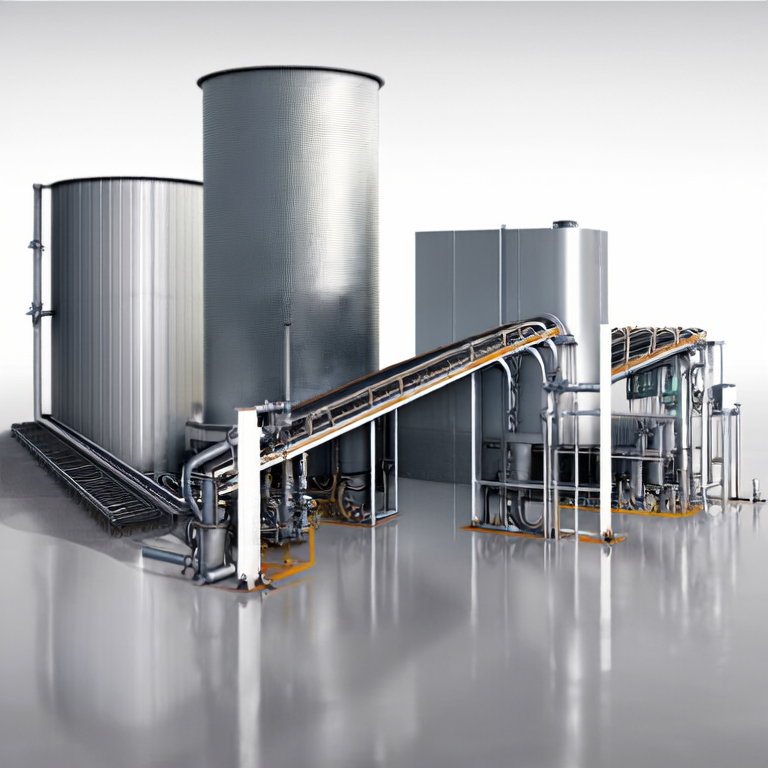
By integrating the latest in sludge drying technologies, industries can effectively tackle waste management challenges while promoting environmental sustainability and operational efficiency. For a deeper dive into specific systems and how they can transform your operations, don’t hesitate to reach out for guidance and support from industry experts.


评论
发表评论